How Much Protein Do You Actually Need? A 2026 Guide
ProteInsights Team
Our editorial team combines expertise in nutrition science, supplement testing, and data analysis to bring you accurate, unbiased content.
Why Protein Intake Matters
Protein is arguably the most important macronutrient for body composition, recovery, and long-term health. Whether you are trying to build muscle, lose fat, or simply maintain your current physique, the amount of protein you eat each day plays a central role in your results.
Unlike carbohydrates and fats, protein is not efficiently stored by the body for later use. Your muscles, organs, immune cells, and hormones all require a steady supply of amino acids, which means daily intake consistency is far more important than hitting a single large dose.
The Building Blocks of Your Body
Amino acids from dietary protein serve as the raw materials for muscle protein synthesis (MPS), the process by which your body repairs and builds new muscle tissue. Of the 20 amino acids, nine are considered essential because your body cannot manufacture them. A high-quality protein source provides all nine essential amino acids in adequate proportions.
Beyond muscle, protein supports immune function, enzyme production, hormone regulation, and the maintenance of connective tissue. Inadequate intake can lead to muscle loss, weakened immunity, poor wound healing, and hormonal imbalance.
Current Science: The 1.2-2.2g/kg Guidelines
The old recommendation of 0.8 grams per kilogram of body weight was established to prevent deficiency in sedentary populations. Modern sports science and metabolic research have moved the target significantly higher for anyone who exercises regularly or has body composition goals.
A comprehensive meta-analysis published in the British Journal of Sports Medicine found that protein intakes between 1.6 and 2.2 grams per kilogram of body weight per day maximized muscle protein synthesis in resistance-trained individuals. For general active adults, the range of 1.2 to 1.6 grams per kilogram is well supported.
Sedentary Adults
If you do not exercise regularly, a target of 1.0 to 1.2 grams per kilogram of body weight is a reasonable upgrade from the minimum RDA. This supports basic tissue maintenance, immune function, and healthy aging. For a 70 kg (154 lb) person, that is approximately 70 to 84 grams per day.
Recreational Exercisers
If you exercise three to five times per week with a mix of resistance and cardio training, aim for 1.4 to 1.8 grams per kilogram. This range supports recovery, gradual muscle gain, and improved body composition. For a 70 kg person, this translates to roughly 98 to 126 grams per day.
Serious Athletes and Bodybuilders
Competitive athletes and those prioritizing maximum muscle growth should target 1.8 to 2.2 grams per kilogram. During a calorie deficit (cutting phase), protein needs increase further, with some research supporting intakes as high as 2.4 to 3.0 grams per kilogram to preserve lean mass while losing fat.
How to Calculate Your Personal Target
The simplest method is to multiply your body weight in kilograms by your appropriate multiplier based on activity level and goals. If you weigh 80 kg and train four times per week with a goal of building muscle, your target would be approximately 80 x 1.6 to 80 x 2.0, giving you a range of 128 to 160 grams per day.
If you are in a calorie deficit, lean toward the higher end. If you are eating at maintenance or in a surplus, the lower end of your range is typically sufficient. Use our Protein Calculator to get a personalized recommendation based on your specific profile.
Protein Timing and Distribution
Total daily protein intake matters more than timing, but distributing your protein evenly across meals does appear to offer a modest advantage. Research suggests that consuming 20 to 40 grams of protein per meal, spread across three to four meals, maximizes muscle protein synthesis throughout the day.
Spreading Protein Across Meals
A practical approach: divide your daily target by the number of meals you eat. If your target is 150 grams and you eat three meals plus one snack, aim for roughly 35 to 40 grams per meal and 25 to 30 grams in your snack. A protein shake can be an efficient way to fill gaps, especially around workouts or as a mid-afternoon snack.
Common Mistakes to Avoid
- Relying on the outdated 0.8g/kg minimum. This is the bare minimum to prevent deficiency, not the optimal amount for health and performance.
- Front-loading all protein at dinner. Spreading intake across meals is more effective for muscle protein synthesis.
- Ignoring protein quality. Not all sources are equal. Animal proteins and soy are complete proteins; many plant sources need to be combined for a full amino acid profile.
- Skipping protein at breakfast. Many people eat a carb-heavy breakfast and miss an opportunity to stimulate morning MPS.
The Bottom Line
For most active adults, consuming between 1.4 and 2.0 grams of protein per kilogram of body weight will support muscle growth, recovery, and overall health. Higher intakes (up to 2.2 g/kg or more) are warranted during weight loss phases or for highly trained athletes. Start with our calculator to find your personalized range, then focus on consistent daily intake spread across your meals.
Related Products
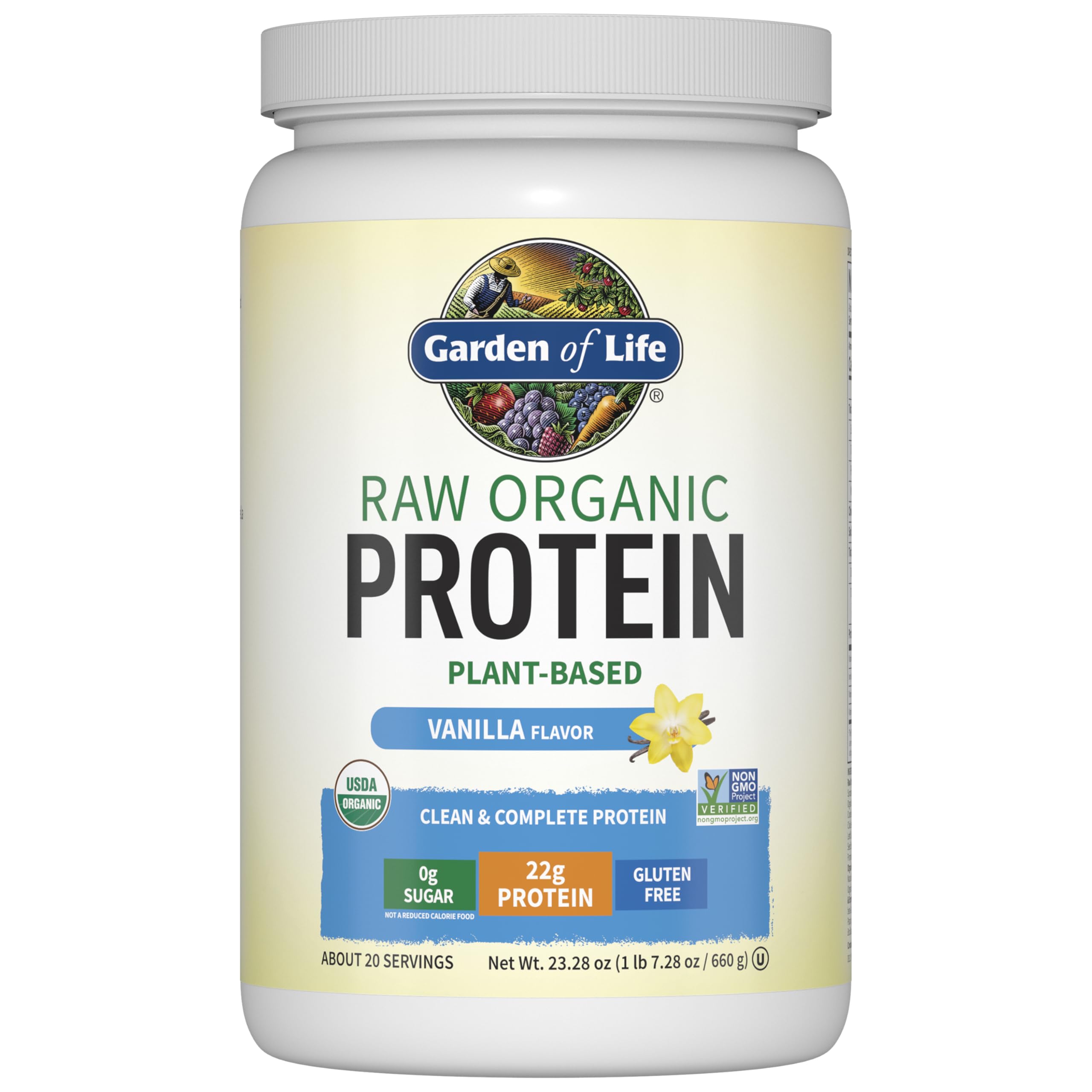
Optimum Nutrition Gold Standard 100% Whey
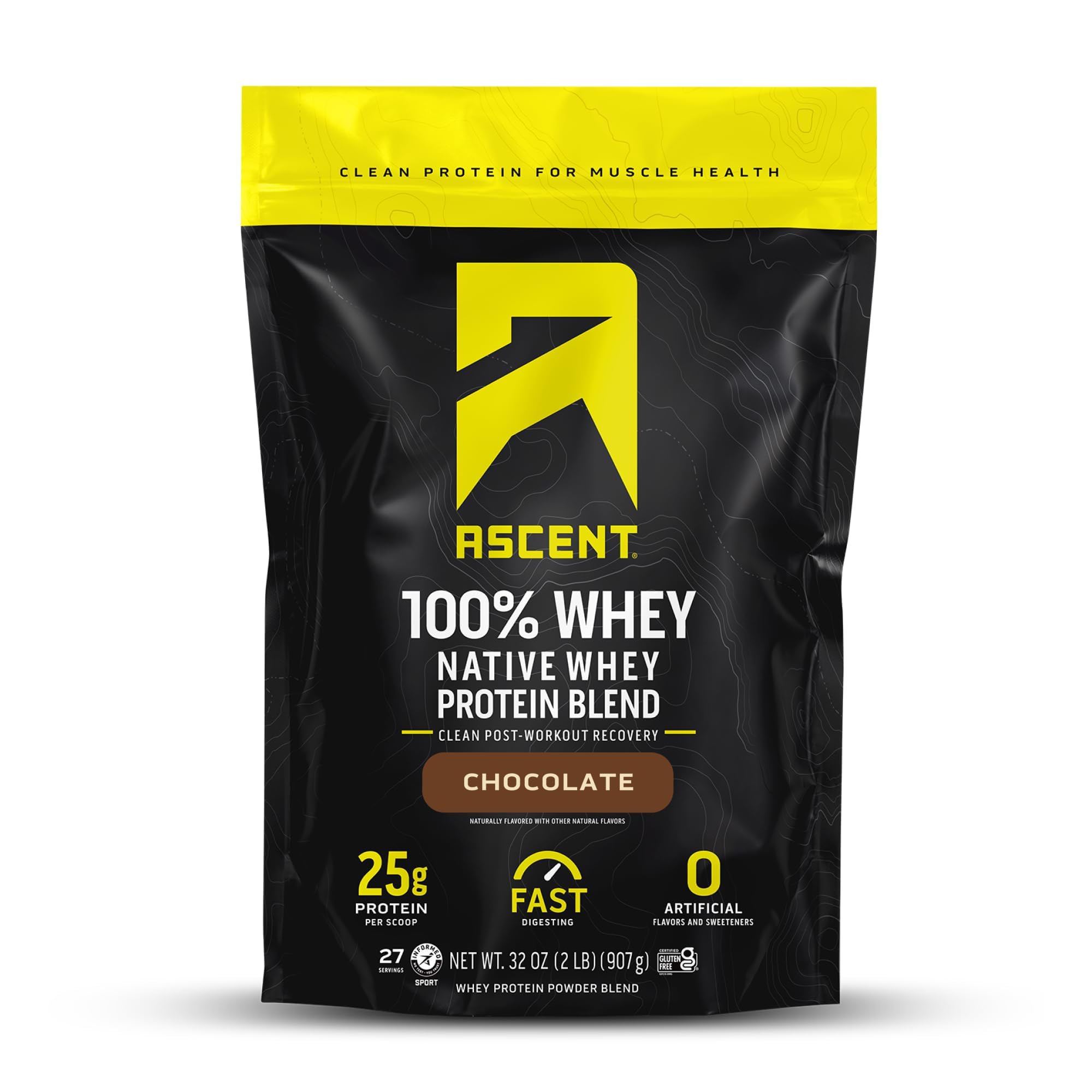
Transparent Labs 100% Grass-Fed Whey Isolate

Orgain Organic Plant-Based Protein
Get Protein Insights Weekly
New product reviews, price drops, and science-backed guides. No spam.